Coffee Database
Origins
Coffee-growing countries, regions, and characteristics.
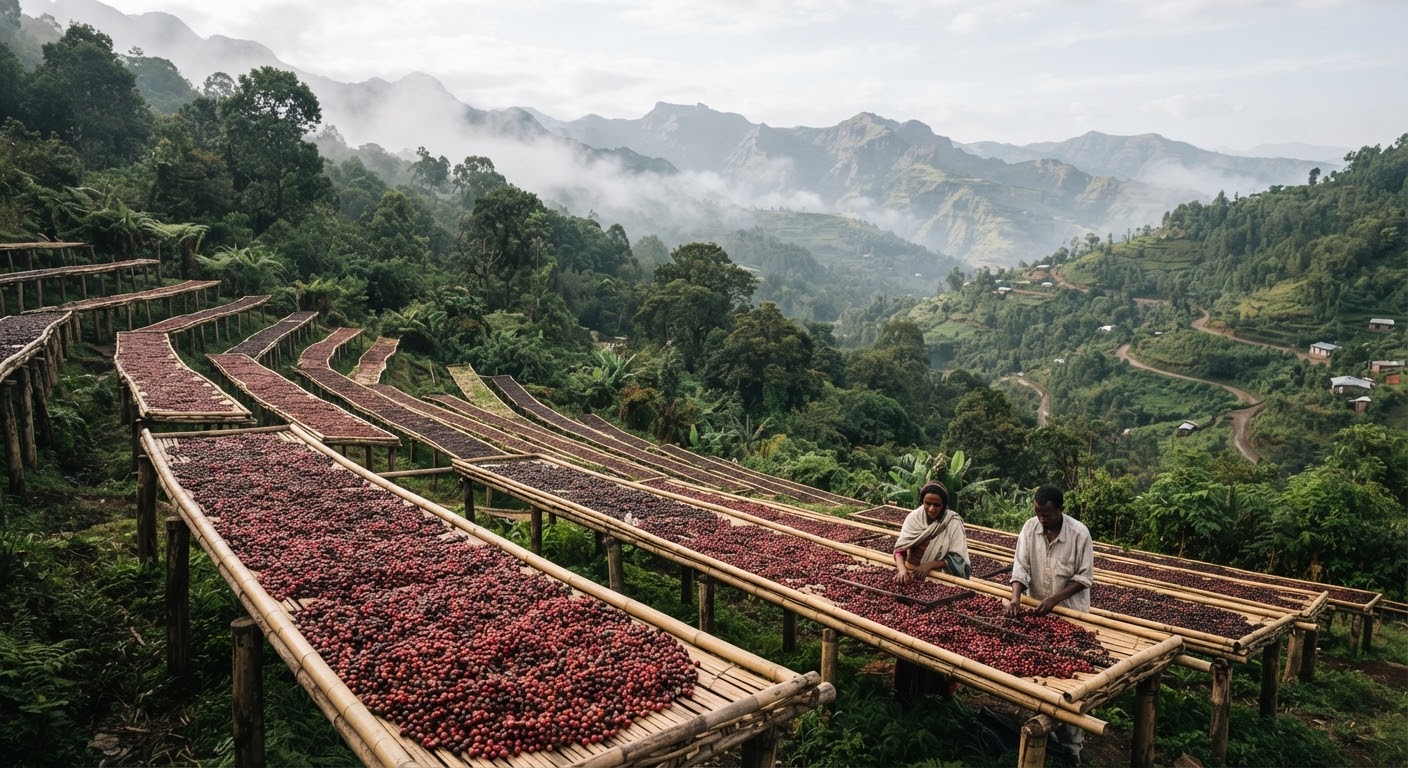
Ethiopia
Ethiopia is the country within whose highlands Coffea arabica occurs naturally, alongside South Sudan and northern Kenya. It is Africa's top coffee producer and the world's fifth largest, with 496,200 tonnes produced in 2022, and over 4 million small-scale farmers grow coffee there. Ethiopian production is traditionally grouped into forest, garden and plantation coffees. The Ethiopia Commodity Exchange (ECX), established in 2008, centralized trading; reforms beginning in 2017 restored origin traceability for specialty lots.
View details arrow_forward
Colombia
Colombia produces an average of about 11.5 million bags of coffee per year, the third highest total in the world after Brazil and Vietnam, and the highest in terms of arabica. Coffee was present in the country by 1790, with the first commercial production exported from Cucuta in 1808. In 2011 UNESCO declared Colombia's Coffee Cultural Landscape a World Heritage Site, and in 2007 the European Union granted Colombian coffee protected designation of origin status. Most coffee is grown in the Colombian coffee growing axis.
View details arrow_forwardBrazil
Brazil produces about a third of the world's coffee, making it by far the world's largest producer. Coffee plantations cover some 27,000 km2, mainly in the southeastern states of Minas Gerais, Sao Paulo and Espirito Santo. The first coffee bush in Brazil was planted in Para in 1727, and by the 1920s Brazil supplied about 80% of the world's coffee. Several widely grown varieties, including Mundo Novo, Caturra and Catuai, were discovered or developed there.
View details arrow_forward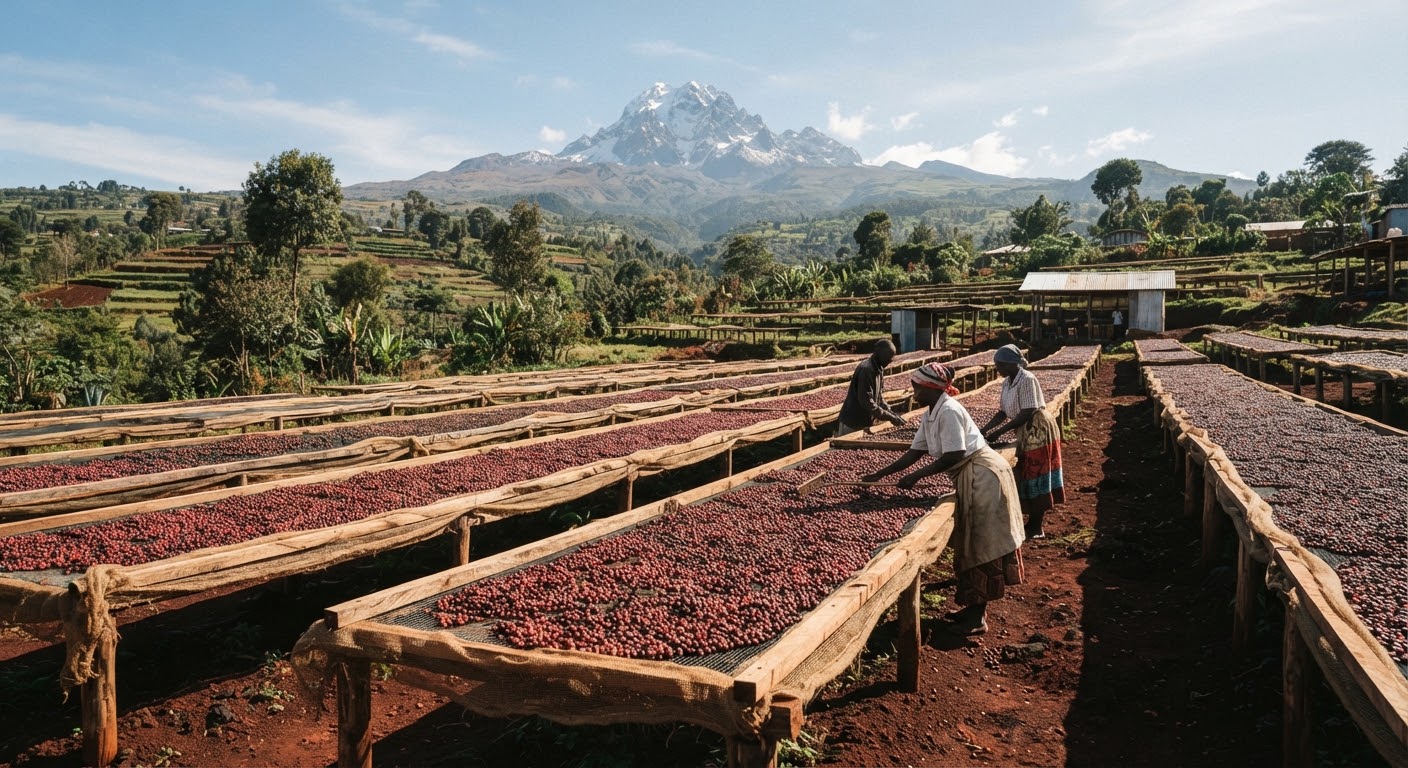
Kenya
Kenya's coffee industry is noted for its cooperative system of production, processing, milling, marketing and auction. About 70% of Kenyan coffee is produced on small farms that control about 75% of the land under production, with an estimated 150,000 coffee farmers as of 2012. Coffee was introduced in 1893 by French Holy Ghost Fathers from Reunion Island, and the 1933 Coffee Act established the Kenyan Coffee Board. Production fell from about 130,000 tonnes in 1987/8 to 40,000 tonnes in 2011/12.
View details arrow_forward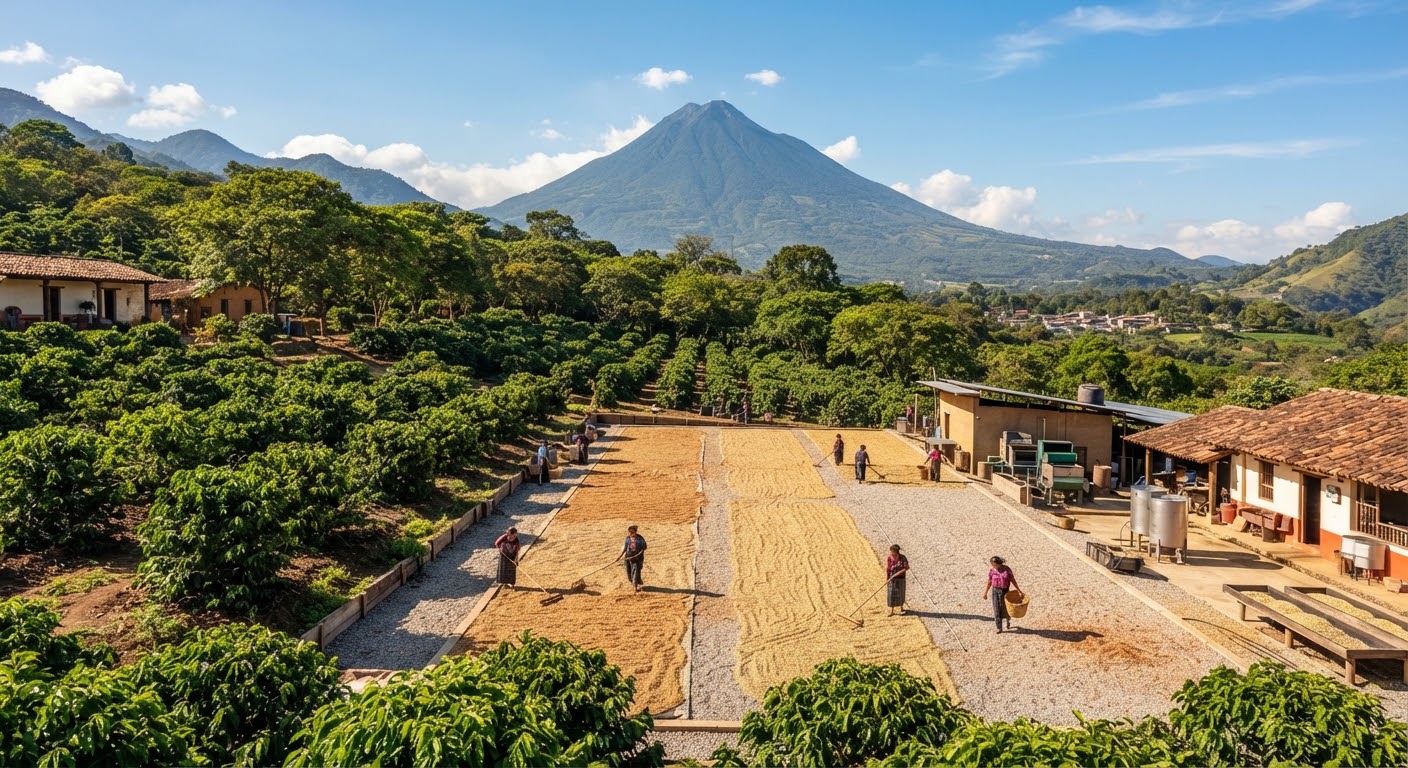
Guatemala
Coffee production began to develop in Guatemala in the 1850s, and coffee is an important element of the country's economy. Guatemala was Central America's top coffee producer for most of the 20th and early 21st century, until being overtaken by Honduras in 2011. Most plantations are situated at 500 to 1,500 meters above sea level, with 16 to 32 °C considered the most suitable temperature range.
View details arrow_forwardCosta Rica
Coffee production in Costa Rica began in 1779 in the Meseta Central, which had ideal soil and climate conditions for coffee plantations. As a small country, Costa Rica now provides under 1% of the world's coffee production; in 2006 coffee was the country's number three export. Eight growing regions are recognized, and the finest coffee is typically grown at altitudes of 1,200 to 1,700 meters. Processing plants where coffee is washed and depulped are called beneficios.
View details arrow_forwardIndonesia
Indonesia is geographically and climatologically well suited for coffee, with more than 90% of its coffee grown by smallholders on farms averaging around one hectare. Sumatra is the largest producing island: Lampung, South Sumatra and Bengkulu together account for about 50% of national coffee production and up to 75% of Robusta production. Indonesian coffee is known for the giling basah (wet-hulled) processing technique, which gives Sumatran green coffee a distinctive bluish color. Java's arabica production is centered on the Ijen Plateau at over 1,400 meters, largely on estates built by the Dutch in the 18th century.
View details arrow_forward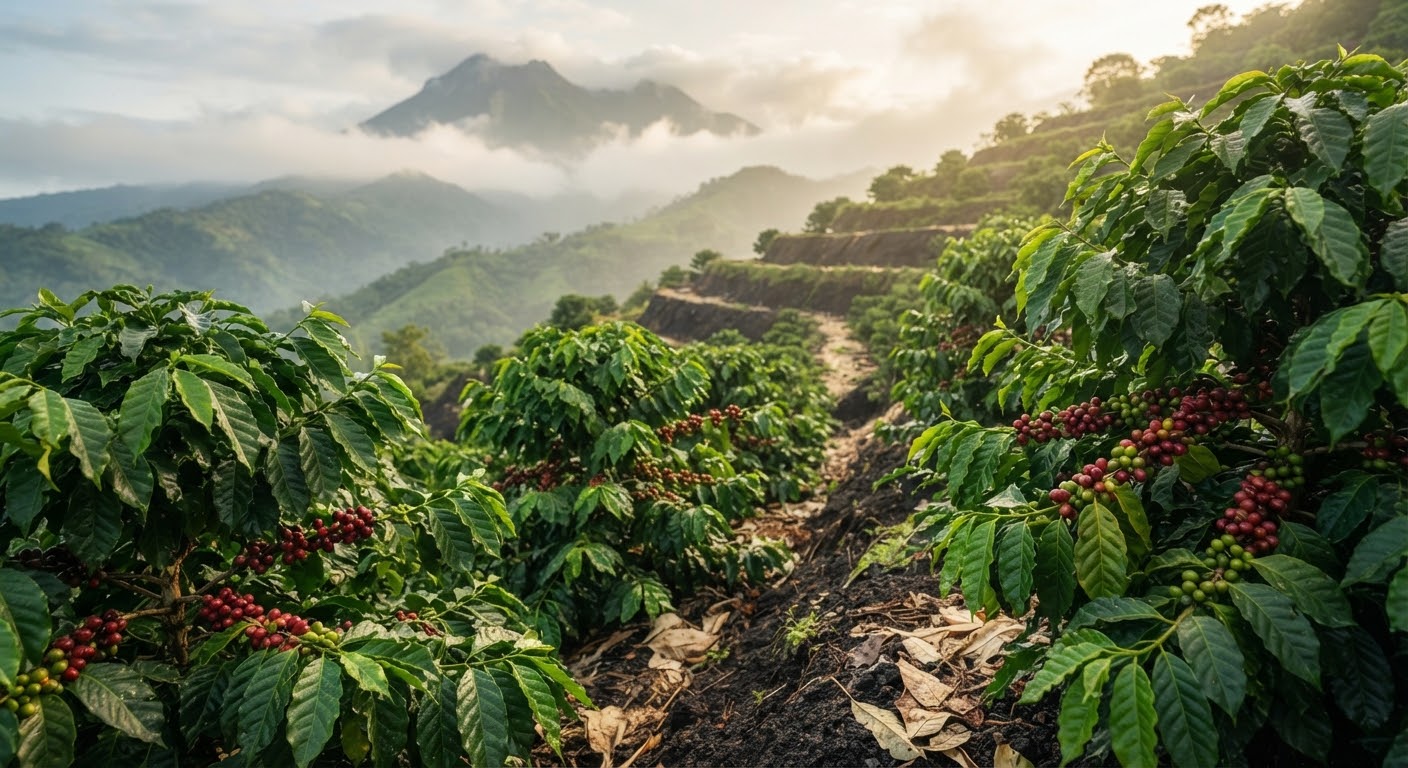
Panama
Coffee production in Panama was occurring in the Boquete Valley by the early 20th century, and the International Coffee Organization groups Panamanian coffee as mild arabica. The best quality coffee in Panama is grown in Boquete, in Chiriqui province. According to FAO statistics cited for 2013, production was 10,100 tonnes on 22,400 hectares — about 0.1% of world production. Despite its small volume, Panama is internationally renowned for the Geisha variety.
View details arrow_forwardHonduras
Coffee production in Honduras is important to the Honduran economy, and in 2011 the country became Central America's top producer of coffee. The soil, climate and conditions are comparable to those of Guatemala, Nicaragua and Costa Rica, but a historical lack of transportation limited exports in the early industry. Today Honduras is one of the world's significant arabica origins.
View details arrow_forwardTanzania
Coffee is Tanzania's largest export crop, with annual production averaging between 30,000 and 40,000 metric tons, of which approximately 70% is arabica and 30% robusta. Coffee was introduced to the region from Ethiopia in the 16th century; the Haya tribe of the Kagera region boiled and steamed the beans with herbs as a stimulant rather than brewing them. More than 90% of output originates from small farmers. In Japan, Tanzanian coffee has maintained the 'Kilimanjaro coffee' label since the All Japan Fair Trade Council's 1991 decision.
View details arrow_forward